Small charities - shaping the future of volunteering
From 22-29 June, we're excited to be joining in with Small Charity Week, a national celebration of the increasingly vital role that small charities play in our society.


As a small charity ourselves, we are privileged to work alongside thousands of other small charities and grassroots organisations that are changing lives, strengthening communities and tackling some of society's biggest challenges.
Small charities are often overlooked. Yet they form the overwhelming majority of the charity sector. According to NCVO, 96% of voluntary organisations in the UK are small charities.
They are the backbone of civil society and we see this reality every day through the organisations that use Reach.
In 2025, 86% of the organisations using Reach had an income below £1 million, and almost two-thirds had an income below £250,000. The vast majority of volunteer roles posted on our platform came from these smaller organisations, demonstrating both their appetite for support and their determination to grow despite increasingly challenging conditions.
Find out more about the organisations using Reach in our interactive charts.
Small charities are doing extraordinary things
There is a common misconception that small charities are mainly local organisations addressing local issues.
It’s true that many are deeply rooted in their communities, and that local impact matters enormously. But the reality is much richer and more diverse.
The organisations using Reach work across every corner of civil society. They support people experiencing homelessness, poverty and addiction. They help refugees and migrants build new lives. They champion women and girls, support people with disabilities and long-term health conditions, tackle climate change, protect biodiversity, preserve culture and heritage, provide education and training, strengthen neighbourhoods and deliver international aid.
Some are run entirely by volunteers. Some have one or two members of staff. Some operate locally, but many others work regionally, nationally or internationally. What unites them is not just their size - but their ambition, their innovative approaches and their commitment to finding ways to create as much change as possible.
Driving green banking with volunteer-led innovation
Take Bank Green, a small organisation helping people around the world take climate action. Through Reach, it found specialist volunteers who helped it draw attention to how global banks finance fossil fuel expansion and encourage people to switch to green banking. Volunteers have been central to building this innovative global movement:
“Bank.Green is entirely volunteer-driven, so volunteers are really the lifeblood of our organisation. They contribute across all areas of our work - from analysing bank lending data to running our social media, maintaining our website and even helping recruit and onboard other volunteers. Without volunteers - and the platforms that help us find them - we simply wouldn’t be able to operate at the level we do today.” Zak Gottlieb, Executive Director, Bank.Green
Find out more about Bank.Green.
Harnessing communications skills to empower migrant women
Migrant Women Press is a migrant-woman-led independent media platform working to amplify the voices of migrant and racialised women in the media and support them to build careers in journalism. Reach has enabled them to connect with specialist expertise to strengthen governance and other areas across the organisation, like communications. Thanks to a volunteer communications professional they were able to produce a powerful Impact Report which supported them to secure funding for the organisation.
“For small organisations, this kind of support can be transformative. It allows us to access expertise we otherwise wouldn’t have, and that helps us build stronger structures so we can focus on the work that matters most - empowering migrant women and changing the narrative around migrant communities.” Juliana da Penha, Founding Editor and Director, Migrant Women Press
Find out more about Migrant Women Press.
Volunteers lead the way in climate science education
Climate Ed delivers fun, interactive workshops in primary schools, teaching children climate science and empowering them to make practical climate-friendly choices in their everyday lives. With only a tiny staff team, skills-based volunteers have been fundamental to helping the organisation grow its capacity and extend its reach to more schools and young people across the UK:
“Volunteers have helped us with everything from overseeing our IT systems to creating animation videos and digital resources that help us explain climate science clearly to young people. Some contributions solve short-term challenges, but others become a long-term part of how the organisation works.” Ben Cuddon, Founder and Programme Director, Climate Ed
Find out more about Climate Ed.
Using visionary strategic skills to create communities for young migrants and asylum-seekers
Babylon Migrants Project is a grassroots arts organisation led by and for young people aged 16-30 from refugee, asylum-seeking, and migrant backgrounds. With so many young people awaiting asylum decisions experiencing isolation in hotels and other temporary accommodation, the project aims to help them gain creative skills as well as community and a sense of belonging. As a new organisation with few paid staff, skills-based volunteers have been pivotal in helping the project get off the ground. For example,
“The contribution from our chair has been incredible. He’s helped us shape our strategy, think more clearly about our future, and connect our work to a bigger vision. That kind of strategic input is something we simply wouldn’t have been able to access otherwise.” Ali Ghaderi, Founder and Director, Babylon Migrants Project
Find out more about Babylon Migrants Project.
These are just a few examples of how small charities with very different objectives are building and strengthening their organisations with skills-based volunteers to move them forward and succeed.
A new era of volunteering
We believe that what we’re seeing at Reach also reflects a wider shift in how people want to volunteer.
As Reach CEO Janet Thorne wrote last year, volunteering is thriving – but increasingly through skills-based volunteering rather than more traditional volunteering models.
People want to contribute the expertise they've developed through their careers. They want to use their professional skills to help causes they care about. And, as we’ve seen above, small charities are leading the way in creating opportunities for them to do exactly that.
There’s no shortage of people wanting to volunteer their skills and they bring specialist expertise into organisations that might otherwise never be able to access it. HR expertise to strengthen a charity’s people practices. A trustee helping shape strategy and governance. A marketer helping raise awareness. A finance professional supporting long-term sustainability. Volunteers with these skills are ready and willing to help.
For small charities operating with limited resources, this is transformational.
For volunteers, it offers a meaningful way to make a difference.
And for society, it helps ensure that some of our most innovative and impactful organisations can continue to thrive.
Celebrating small charities
At Reach, we're privileged to work with thousands of small charities and grassroots groups every year.
They are tackling issues that matter deeply to people and communities with resilience, ambition and innovative approaches.
They may be small in size, but they are not small in impact, and we are proud to be able to support their achievements.
The impact [of skills-based volunteers] has been huge. Our systems are stronger, our thinking is sharper, and we’ve been able to grow in a way that simply wouldn’t have happened otherwise. But beyond that, it’s created momentum. These aren’t one-off contributions - they’ve built confidence, capability and relationships that will continue to shape the organisation long into the future. For me, that’s what skills-based volunteering at its best looks like.” Vicky Junik, Founder and Executive Director, Solas for Nature
More news and stories from Reach
Volunteering is thriving - Just not where you’ve been looking
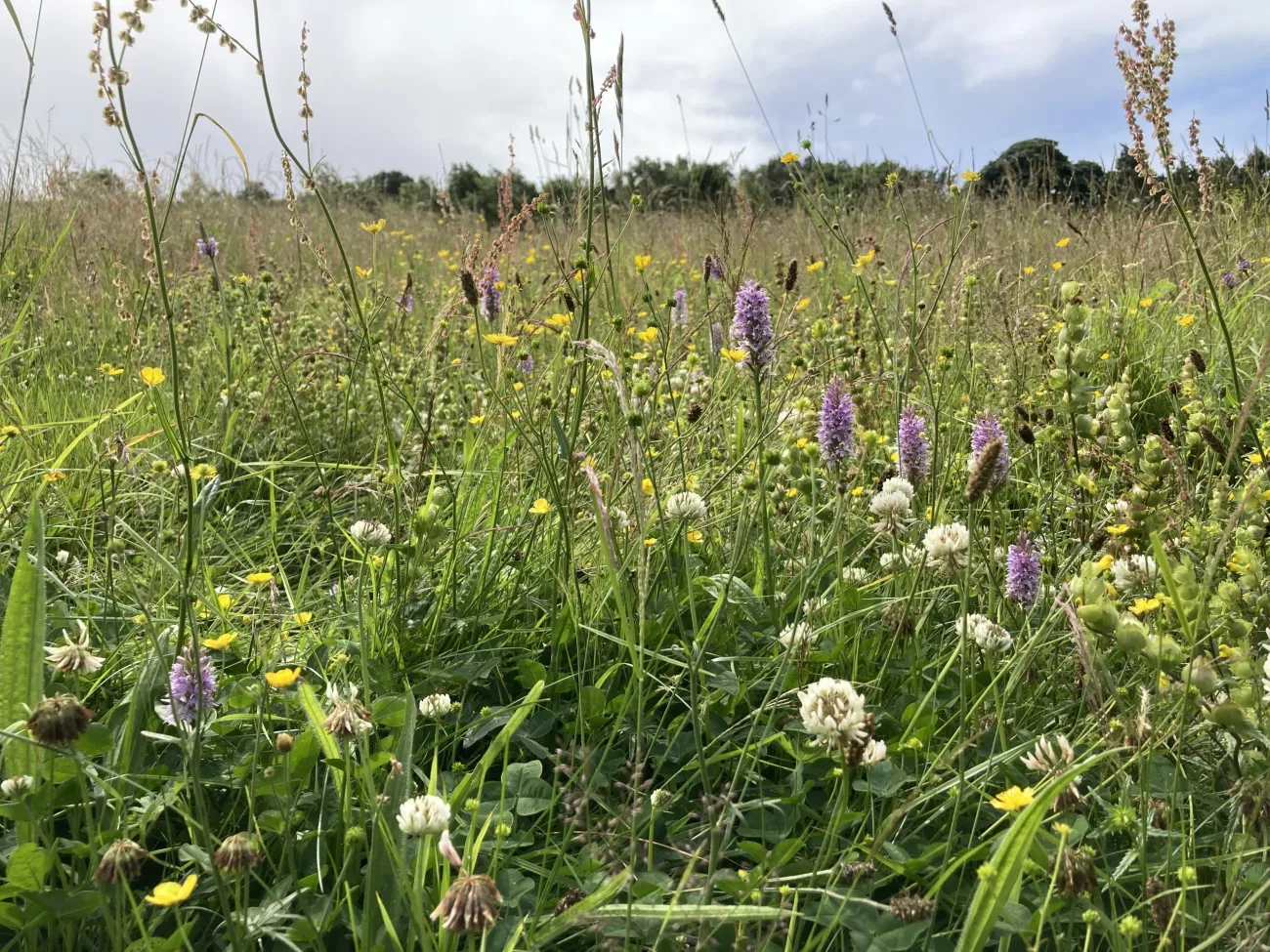
Bringing biodiversity to overlooked spaces
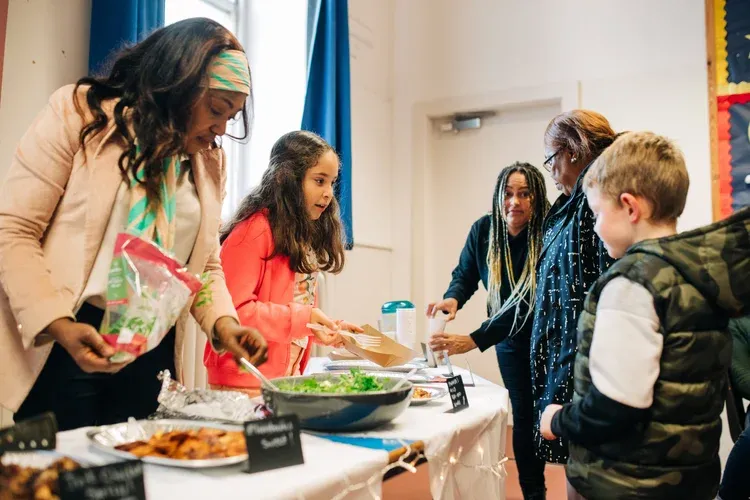
Trustee expertise helps establish local community initiative
How Reach works

How Reach works for volunteers

How Reach works for organisations
What is skills-based volunteering and how will it help my organisation?
When and what we charge